
Introduction
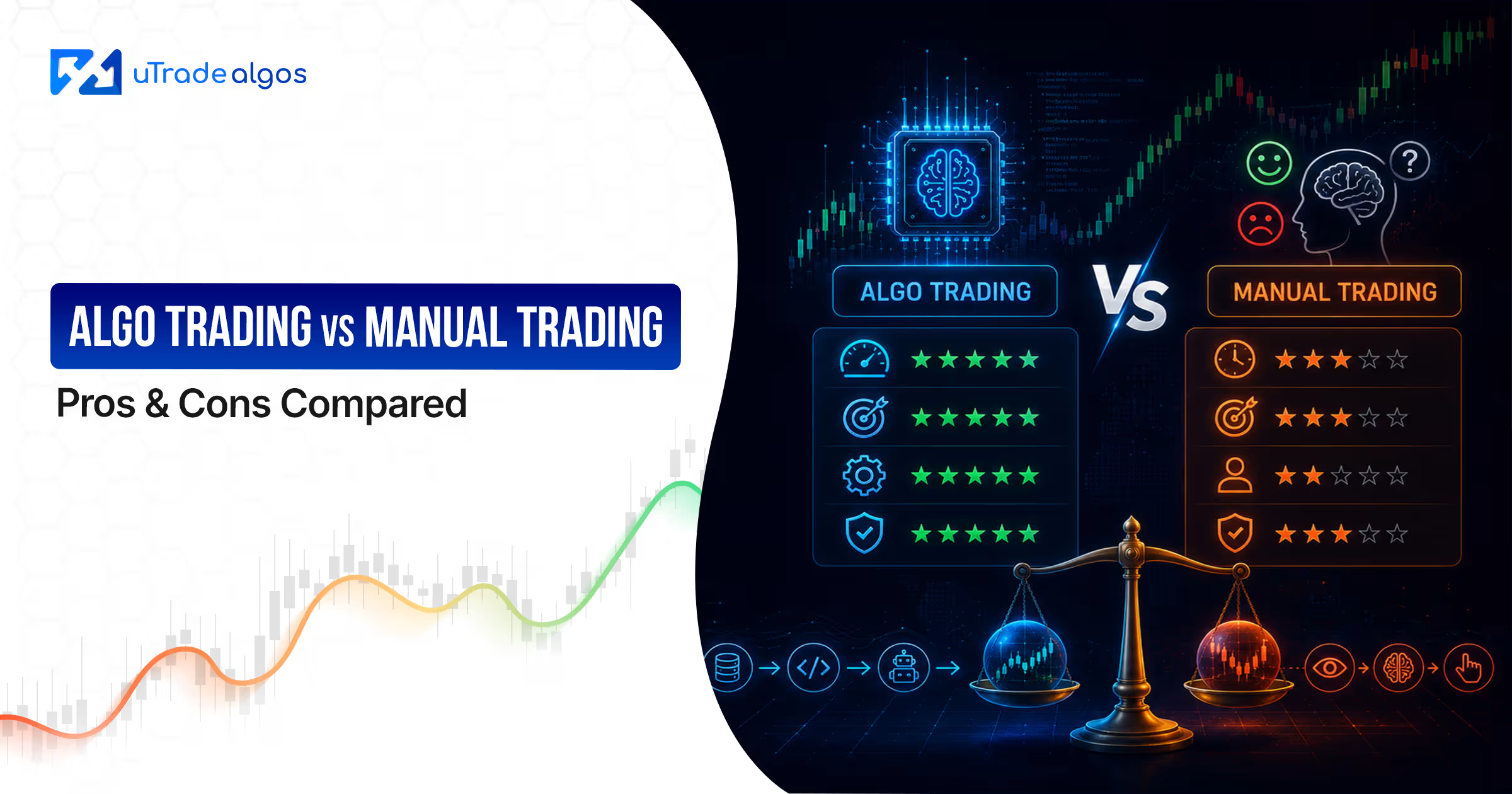
In simple terms, algo trading uses technology and automation to execute trades based on predefined rules, while manual trading depends on human decisions, experience, and real-time judgment. Platforms like uTrade Algos are making algo trading more accessible for Indian retail traders by combining automation with AI-driven insights.
If you’ve ever felt stressed watching the market move rapidly, wondering whether to buy, sell, or hold, you’re not alone. Many traders in India face this exact dilemma daily. Should you trust your instincts and trade manually, or let technology handle it for you?
With the rise of AI-powered platforms and increasing awareness about systematic trading, the debate around Algo Trading vs Manual Trading has become more relevant than ever. Let’s break it down in a clear, practical way so you can decide what suits your trading style.
What is Manual Trading?
Manual trading is the traditional way of trading where you make all decisions yourself—when to enter, exit, and manage trades.
How it works:
- You analyze charts, news, and indicators
- You decide when to buy or sell
- You place trades manually on a trading platform
Example:
Imagine you see a stock breaking out on a chart. Based on your experience, you decide to buy. Later, if the price drops suddenly, you may panic and sell—or hold, hoping it recovers.
This approach depends heavily on your:
- Knowledge
- Discipline
- Emotional control
What is Algo Trading?
Algorithmic trading, or algo trading, is the process of using a computer program (an algorithm) to automatically execute trades based on a defined set of rules. These rules can be based on price movements, volume, time, technical indicators, or even news sentiment.
For example, a simple algo might say: "If Nifty crosses 22,000 and the RSI is below 40, buy 1 lot of Nifty futures." The moment those conditions are met — even at 3 AM — the system executes the trade automatically, without any human intervention.
Algo trading was once exclusive to large institutional players like hedge funds and banks. But today, platforms like uTrade Algos have made it accessible to everyday retail traders across India — even if you have never written a single line of code.
What is Manual Trading?
Manual trading is the traditional approach — you analyse the markets yourself, decide when to buy or sell, and execute the trade on your own. This is what most of us started with when we first opened a Demat account.
Manual traders rely on their experience, chart reading skills, news interpretation, and gut instinct. It requires constant attention, quick decision-making, and a strong grip on your emotions — especially when the market moves against you.
Suggested Read:
Comparing Algo Trading Software Vs. Manual Trading: Pros and Cons
Manual Trading vs Algo Trading
1. Decision Making
What it means: It is about deciding when to buy and when to sell. This is important because your profit depends on your decisions.
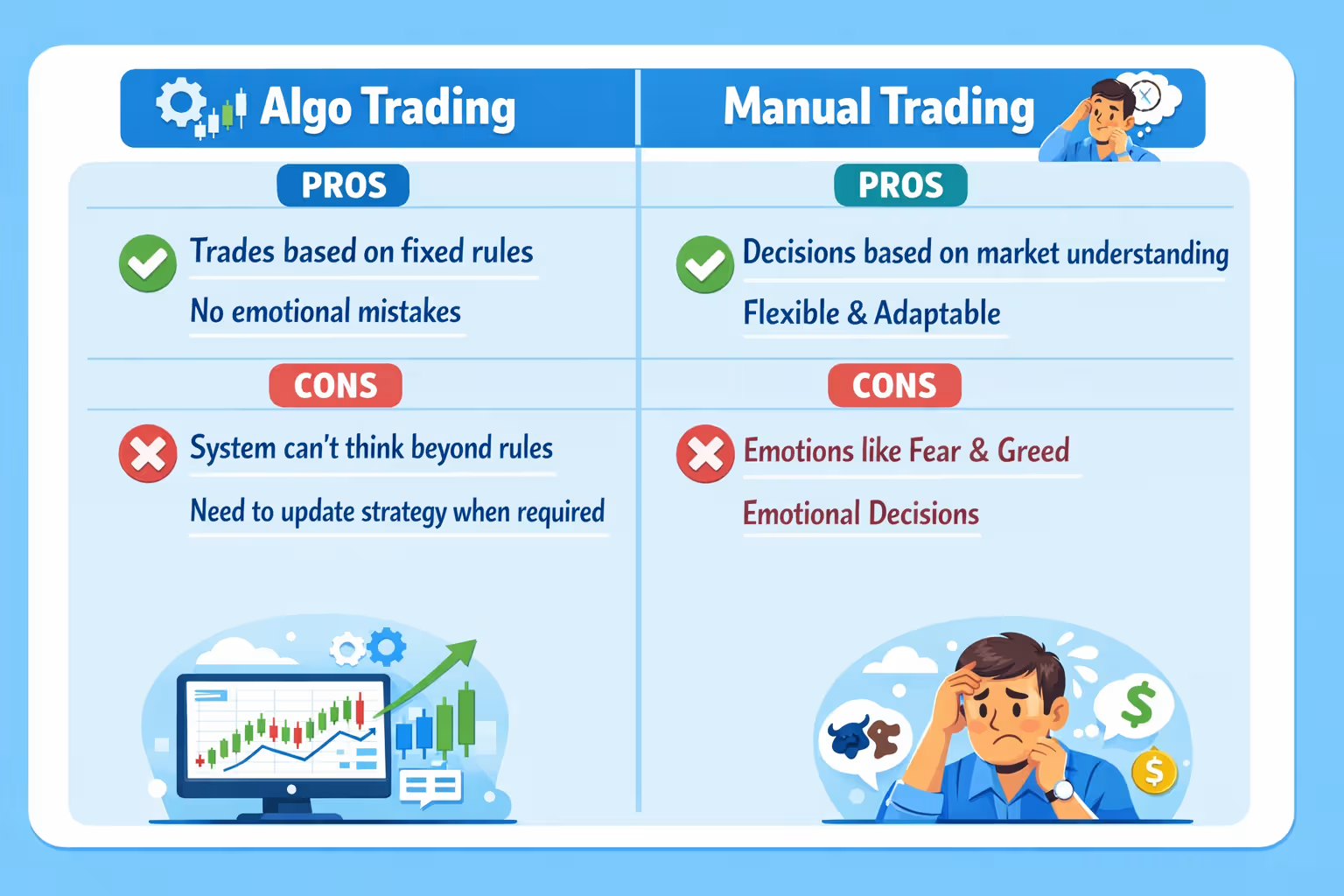
Manual Trading
- Pros: You can choose your entry timing carefully based on your market understanding
- Cons: Even a small delay of a few seconds can change the price, and you may miss the exact entry or get a worse price
Algo Trading
- Pros: Trades are executed instantly once the strategy parameters are set, with no delay, allowing you to capture the exact opportunity at the right time.
- Cons: Execution depends on the strategy you set, however you can always refine and improve the strategy over time to get better results
Example: A manual trader may exit early out of fear, while an algo system will stay in the trade until the target or stop loss is hit.
2. Speed of Execution
What it means: It refers to how fast your trade gets executed. Speed matters because prices change quickly in the market.
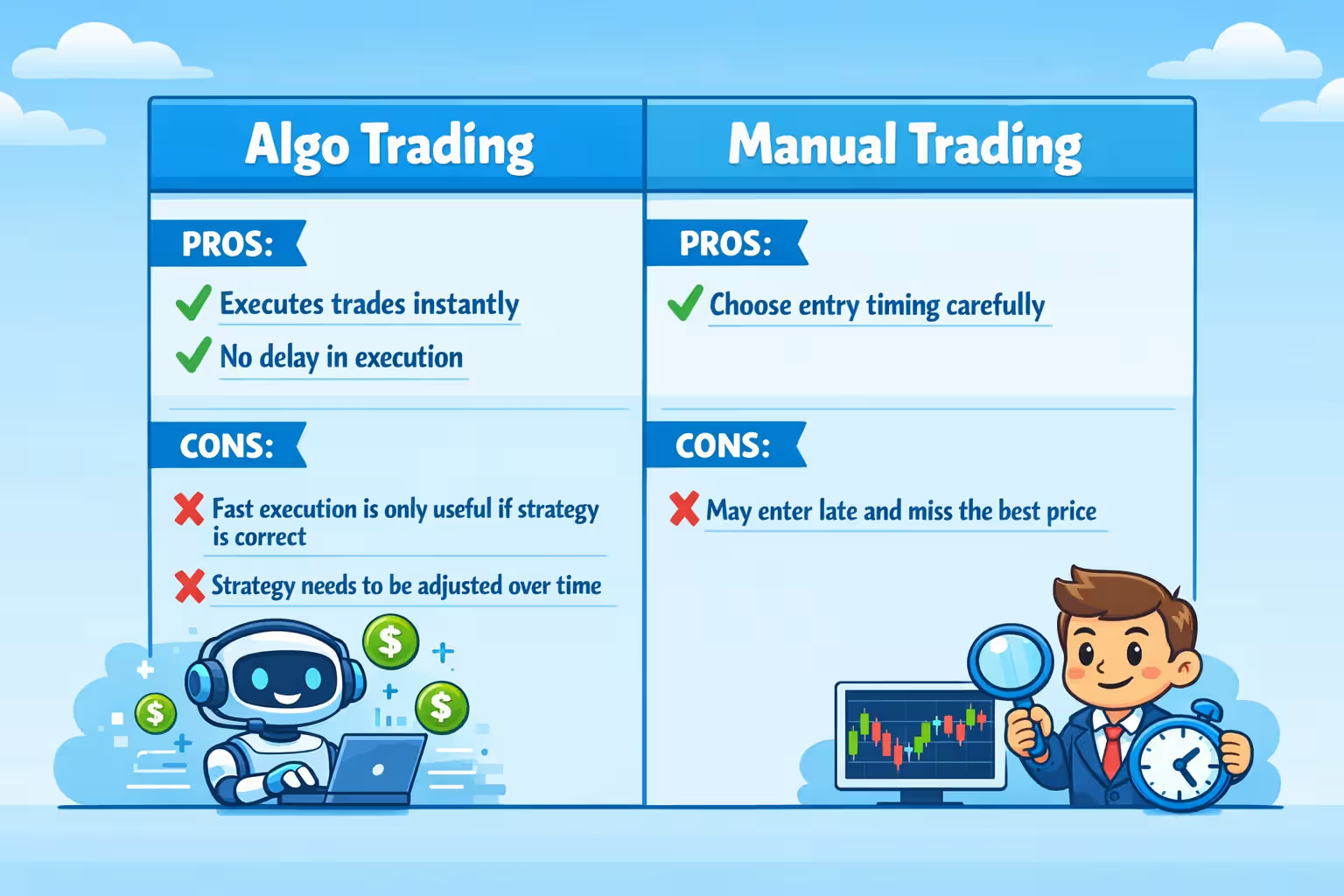
Manual Trading
- Pros: You can choose your entry timing carefully based on your market view
- Cons: Even a small delay of a few seconds can change the price and you may miss the best entry
Algo Trading
- Pros: Executes trades instantly without delay, helping you capture the right market opportunity
- Cons: Works based on the strategy you set, however you can always refine and improve the strategy over time for better results
Example: You try to buy a stock at ₹100, but by the time you place the order, the price moves to ₹102. An algorithm system places the order instantly at ₹100 as soon as the condition is met.
3. Screen Time & Effort
What it means: It shows how much time and effort you need to spend watching the market. Less screen time means less stress and better efficiency.
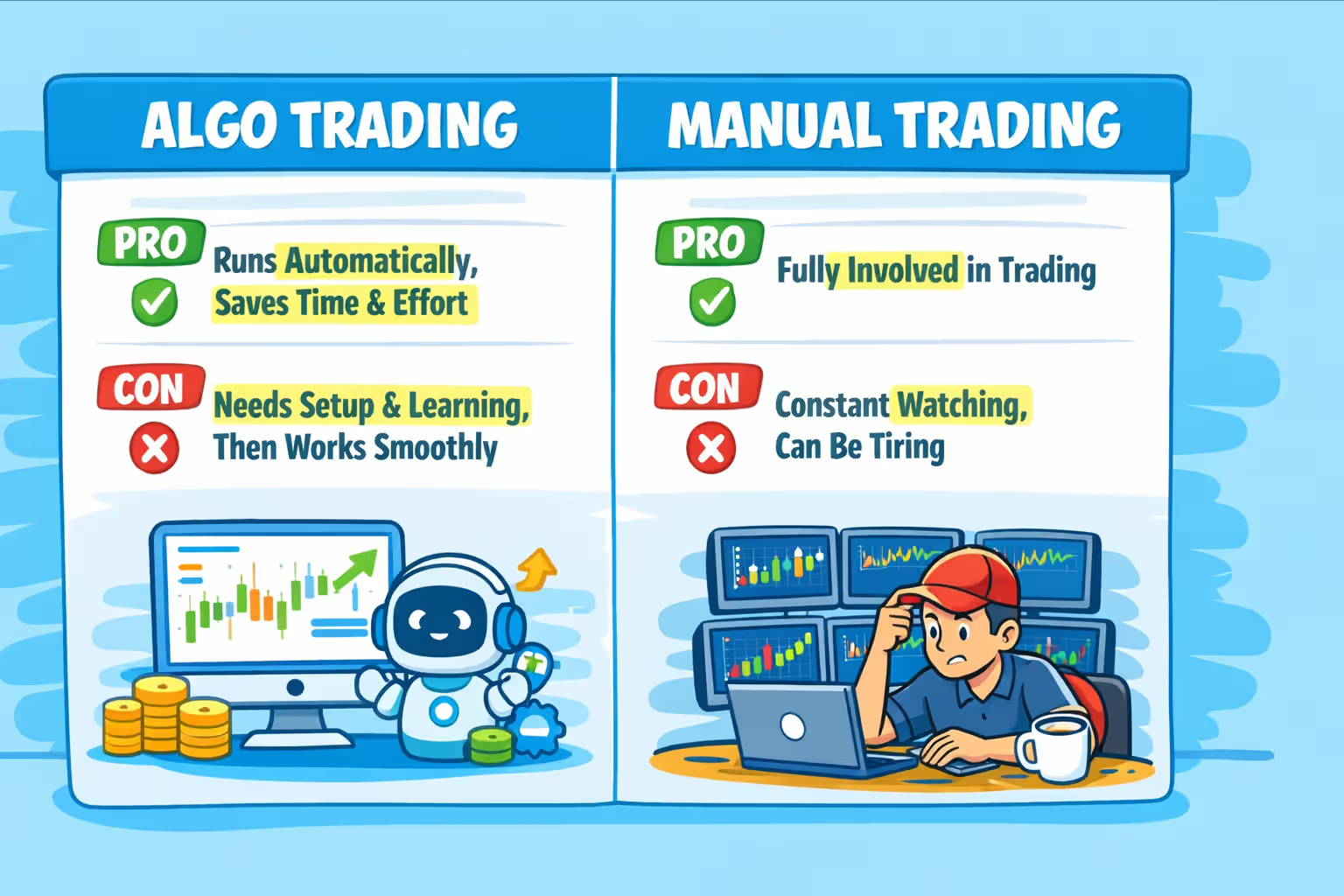
Manual Trading
- Pros: You stay actively involved and can track every market movement, though in practice this is difficult to maintain consistently as humans need breaks and personal time.
- Cons: Requires constant monitoring—even a brief moment away from the screen can lead to missed trades or impact the outcome.
Algo Trading
- Pros: Works automatically after strategy setup, saving time and helping you capture market opportunities without continuously watching the screen.
- Cons: Needs initial setup and basic understanding, however once set, it runs smoothly and reduces effort in the long run
That’s where platforms like uTrade Algos make trading easier and faster for retail traders. No coding or advanced trading knowledge is required—simply set your strategy parameters or choose from pre-built strategies and start trading.
Example: A manual trader watches charts all day, while an algo system runs in the background and executes trades automatically.
4. Consistency
What it means: Consistency means following the same strategy again and again. It matters because consistent actions help in getting stable results over time.
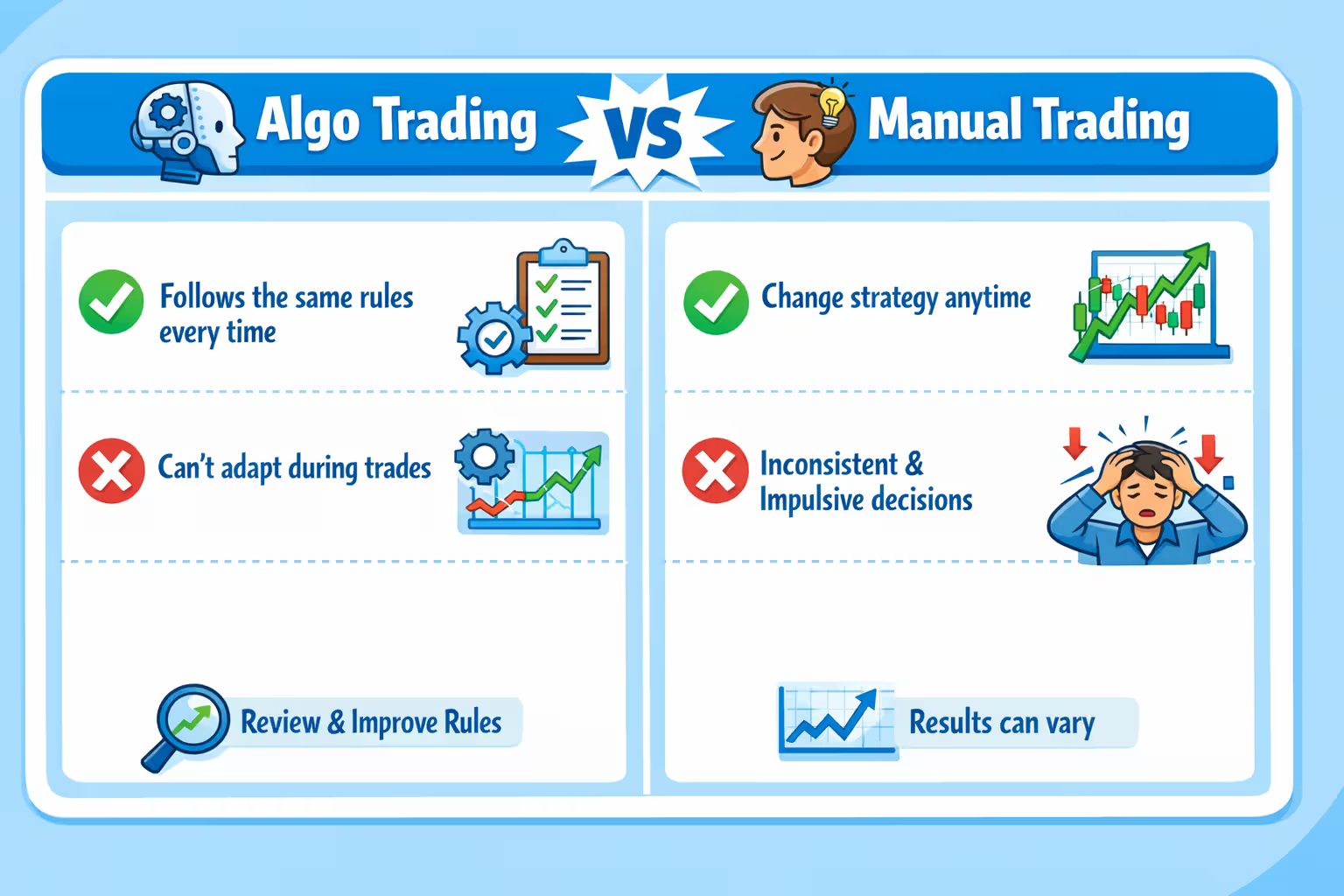
Manual Trading
- Pros: You can change your strategy anytime based on market conditions
- Cons: It becomes difficult to stay consistent because markets change in microseconds, and manually keeping up with them is impractical. This creates a gap, and many traders eventually quit because they start to feel left behind.
Algo Trading
- Pros: Always follows the same rules that you set or the strategy you run, building discipline and consistency in trading. You don’t have to intervene every time the market changes—the system works automatically while you sip your cup of tea.
- Cons: Cannot adjust automatically during trades; however, you can review and improve the rules anytime to make the strategy better.
Example: After a loss, a manual trader may change the plan, but an algo system continues to follow the same strategy.
Suggested Read:
What is the difference between manual trading and algorithmic trading?
5. Backtesting (Testing Strategy)
What it means: Backtesting means checking how your strategy would have performed in the past using historical market data. This helps you understand whether your approach has potential.
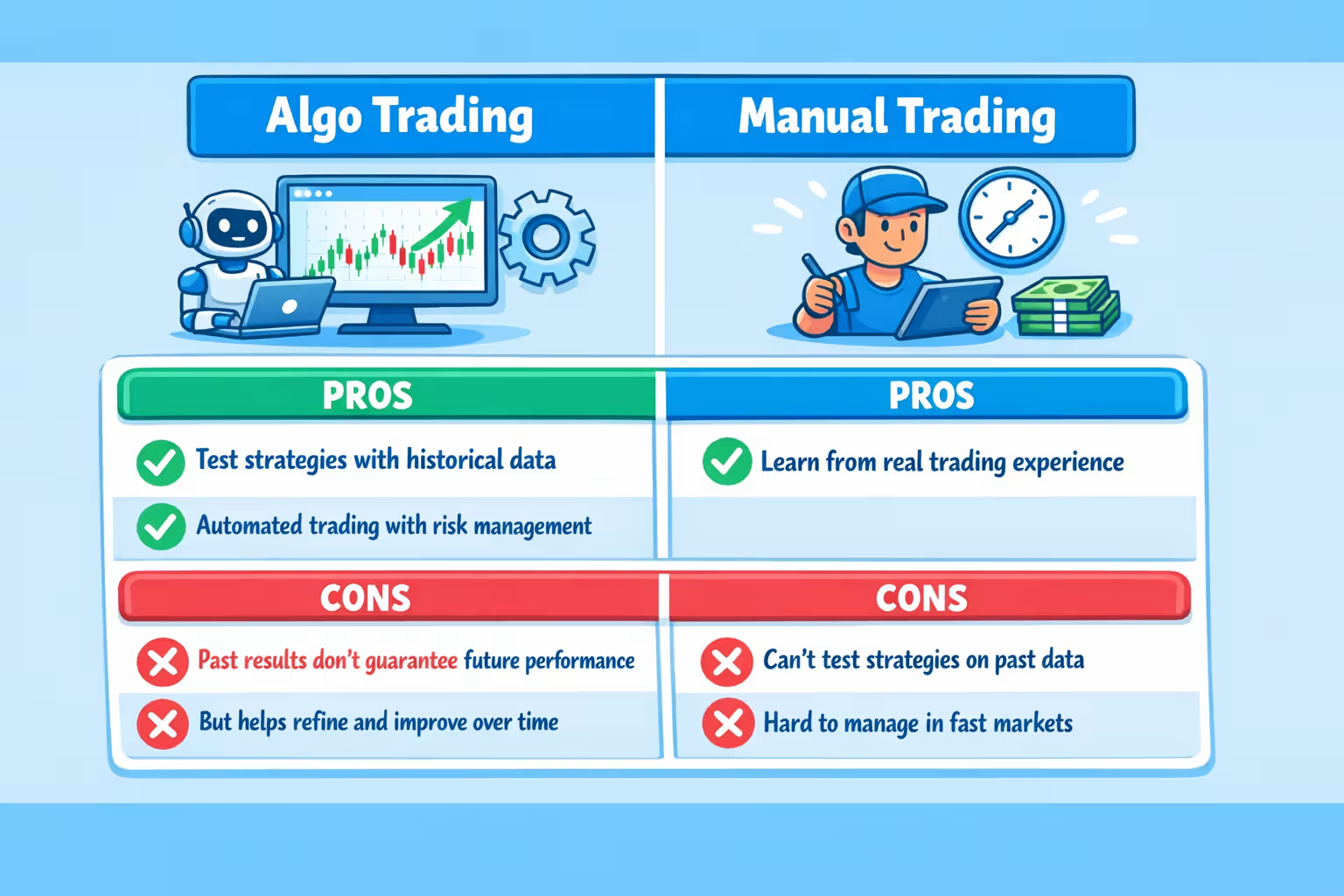
Manual Trading
- Pros: You learn from real trading experience and improve over time
- Cons: It is difficult to properly test a strategy on past data, so decisions are often based on judgment and past mistakes
Algo Trading
- Pros: You can test strategies using historical data before using them in real trading
- Cons: Past results don’t guarantee future performance, however you can refine and improve the strategy based on these insights
Example: An algo system can show how a strategy would have performed over the last year, helping you make better decisions before applying it live.
Suggested reads:
Advantages of Algo Backtesting Over Manual Testing
How Platforms Like uTrade Algos Help
Modern platforms are bridging the gap between manual and algo trading.
uTrade Algos is designed to make algo trading:
- Simple for beginners
- Powerful for experienced traders
Key Features
1. Pre-Built Strategies
- Ready-to-use strategies
- Ideal for beginners
2. Strategy Creation Tools
- Build your own strategies
- No deep coding required
3. AI-Based Insights (uTrade Intelligence)
- Helps analyze market patterns
- Assists in smarter decision-making
4. Automation with Control
- You can automate trades
- Still maintain control over risk settings
This makes it easier for retail traders to access tools that were once only available to institutions.
Suggested Read:
Which is better, manual trading or algorithmic trading?
Conclusion
The algo trading vs manual trading debate will continue as long as markets exist. But the direction is clear — technology is levelling the playing field, and traders who embrace it are gaining a real edge over those who rely purely on instinct and screen time.
Algo trading offers speed, consistency, emotion-free execution, and the freedom to not be glued to your screen all day. These are not small advantages — they are the difference between trading as a stressful second job and trading as a well-oiled, disciplined system working in the background.
Whether you are just starting out or looking to upgrade your approach, exploring algo trading is a step worth taking. And platforms like uTrade Algos make that step easier than ever — with pre-built strategies, AI-powered tools, and a beginner-friendly interface designed for the Indian retail trader.
Remember: in the world of trading, time is money — and manual trading takes a lot of both. The smarter move is to let technology do the work, so you can focus on the strategy.
Frequently Asked Questions (FAQs)
Is algo trading safe for beginners in India?
Algo trading can be safe for beginners if approached correctly. Starting with pre-built strategies on beginner-friendly platforms like uTrade Algos — and always using proper risk management with defined stop-losses — is the recommended approach. Never deploy a strategy live that you do not understand.
Can I do algo trading without knowing how to code?
Yes, absolutely. Platforms like uTrade Algos offer no-code and low-code strategy builders along with a ready library of pre-built strategies. You do not need any programming background to start algo trading today.
Is manual trading better than algo trading for intraday?
For intraday trading, algos almost always have the edge — due to their speed, precision, and emotional discipline. The intraday market moves fast, and a human trader simply cannot match the execution speed and consistency of a well-built algorithm.
What is the minimum capital needed for algo trading in India?
There is no fixed minimum, but most experts recommend starting with at least ₹50,000 to ₹1,00,000 for meaningful algo trading. The requirement also depends on the specific strategy, the instruments traded (equities, futures, or options), and your broker's margin requirements.
How does uTrade Algos help in risk management?
uTrade Algos helps traders manage risk by enforcing pre-defined stop-losses and targets automatically through the algorithm — removing the temptation to override them emotionally. The backtesting feature lets traders evaluate strategy risk before going live, and AI-based tools like uTrade Intelligence provide insights to help optimise strategy parameters — all focused on protecting capital while pursuing consistent returns.
Disclaimer: This blog is for educational purposes only and does not constitute financial advice. Trading in financial markets involves significant risk of loss. Please consult a SEBI-registered investment advisor before making any trading or investment decisions.




.svg)





